Loch Lomond Island Sale Highlights Growing Demand for Bespoke Timber Lodges in Scotland
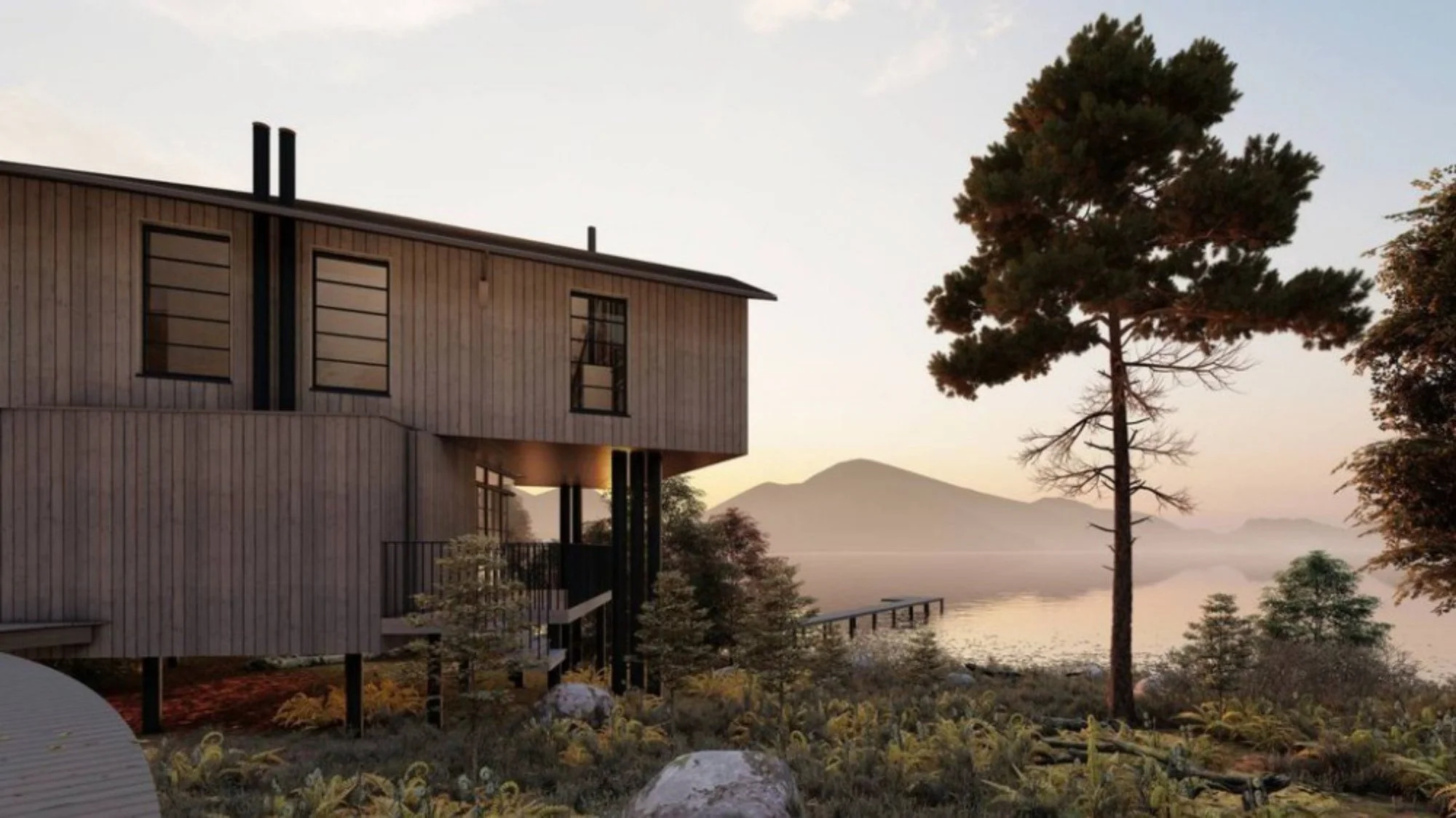
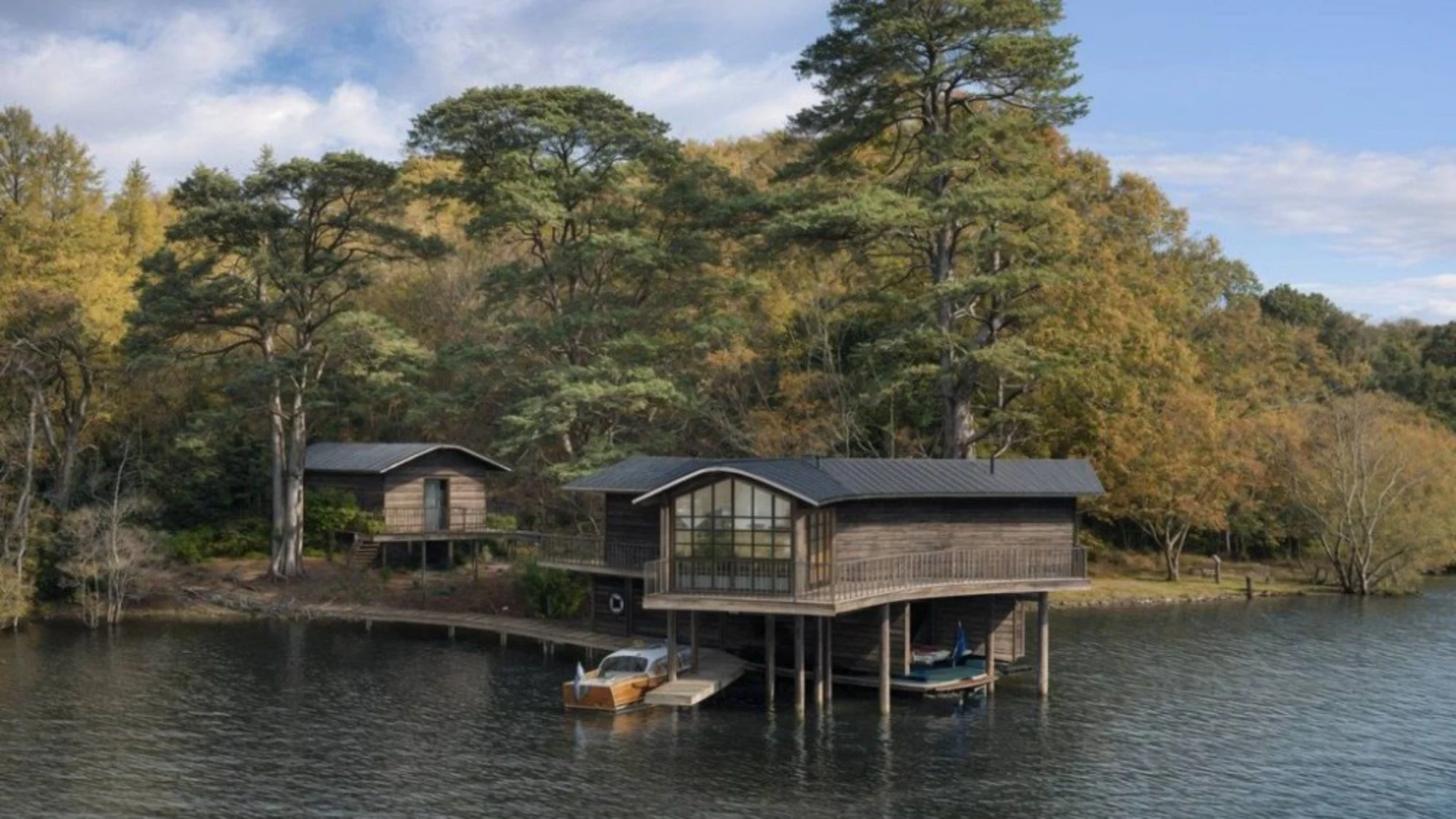
(Image credit: Sotheby's International Realty)
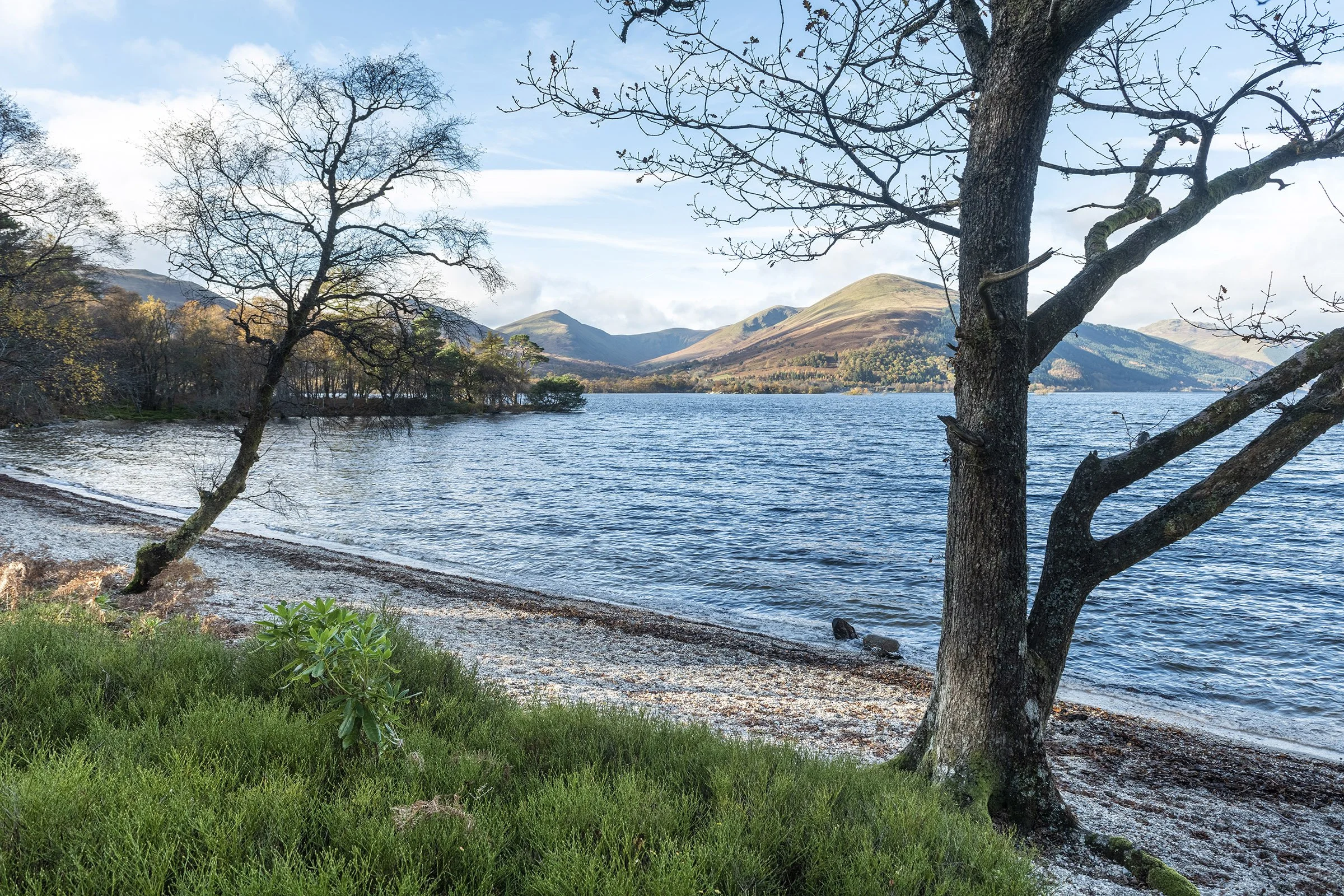
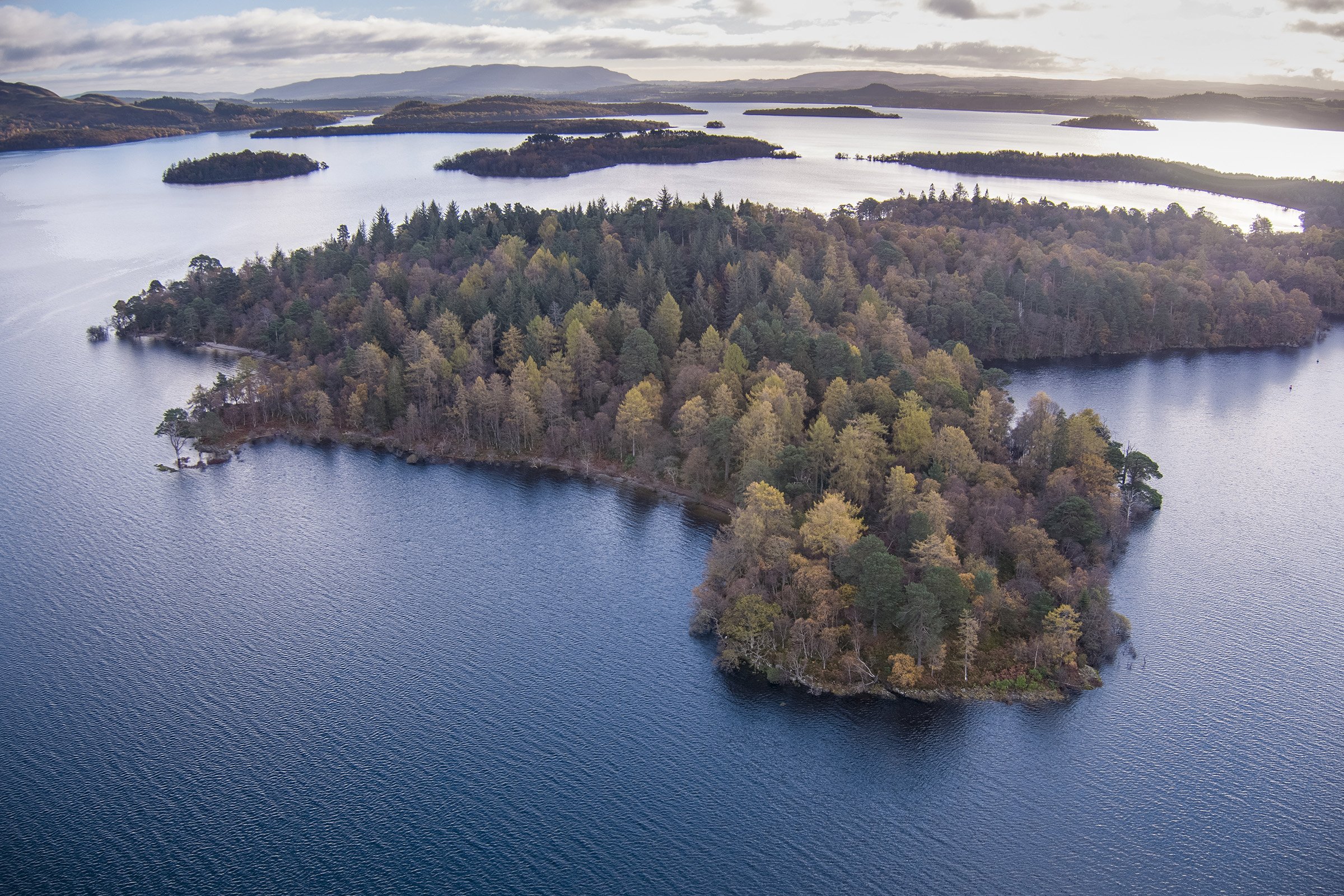
Inchconnachan Island in Loch Lomond, widely known as “Wallaby Island” due to its long-established colony of red-necked wallabies, has been placed on the market with an asking price of £3m. The 103-acre private island sits within Loch Lomond and the Trossachs National Park and is covered in ancient Scots pine, oak, and birch woodland. It was owned by broadcaster Kirsty Young and her husband Nick Jones, founder of Soho House, who purchased it in 2020 for a reported £1.55m.
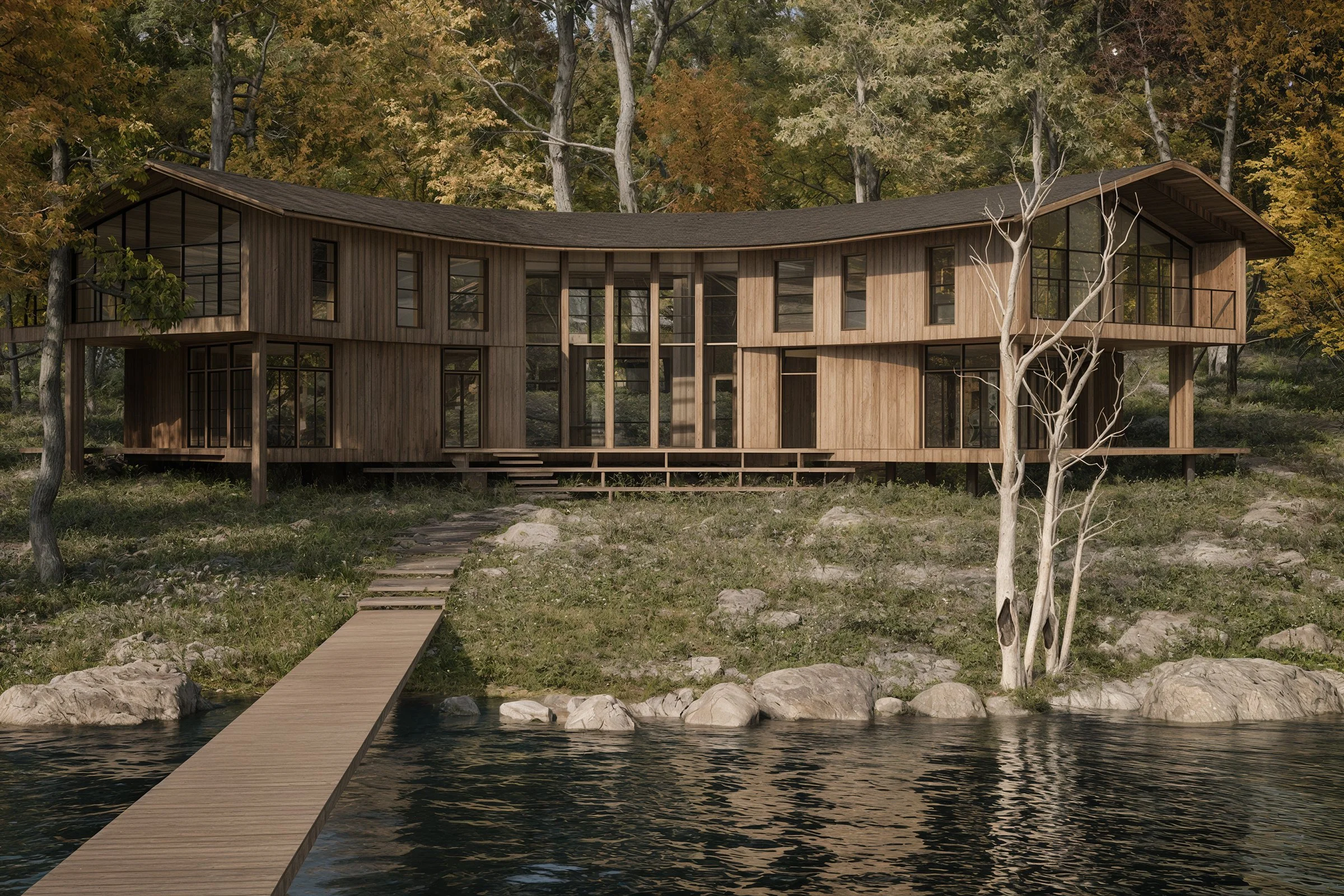
The island has attracted significant attention not only for its natural setting and unusual wildlife, but also for its approved plans for a luxury, design-led estate. Developed in collaboration with GRAS Architects, the concept includes a two-storey lodge positioned to overlook Ben Lomond, with three bedroom suites (with scope to expand to five), a boathouse with integrated accommodation, a private jetty, and supporting mainland infrastructure. The design approach focuses on restraint, longevity, and sensitivity to the surrounding landscape.
Buyers are being offered two distinct options. The first is to purchase the island with planning consent already in place for £3m, allowing a new owner to progress the development independently. The second is a fully managed turnkey route at approximately £10m, where Nick Jones would oversee the entire build over a two-year period, delivering a completed private island retreat shaped around his vision. This positions the project as a fully realised luxury destination, rather than simply a land purchase with permission.
Jones has described the island as one of Scotland’s most idyllic settings, highlighting its seclusion, natural beauty, and suitability for a private retreat designed for family life, relaxation, and outdoor pursuits. Despite its remote feel, the island remains relatively accessible, with mainland jetties nearby and Glasgow International Airport within easy reach.
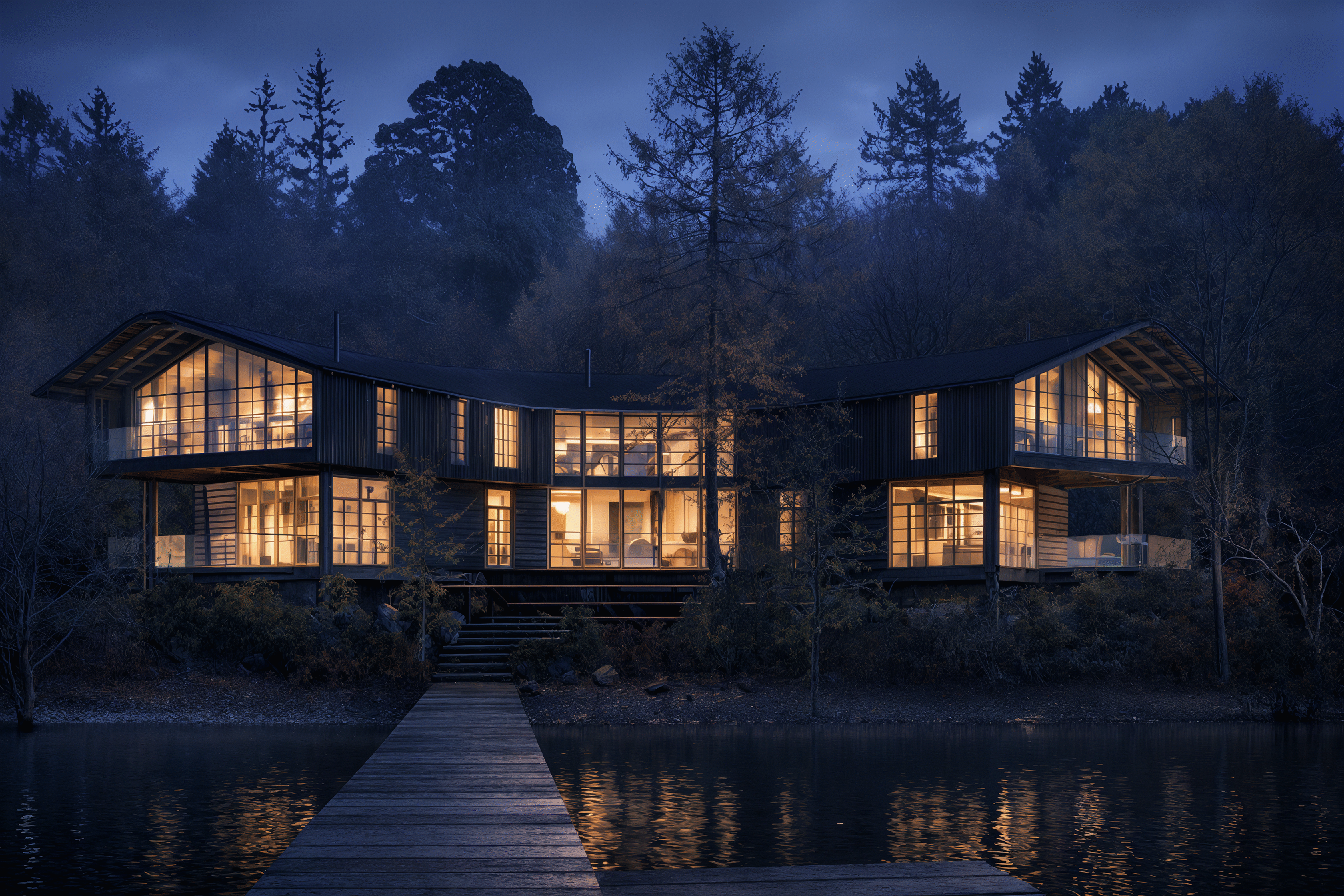
(Image credit: Sotheby's International Realty)
The site also carries a distinctive and colourful history. Its “Wallaby Island” nickname comes from the population of red-necked wallabies introduced decades ago by previous owner Fiona Bryde Colquhoun, the Countess of Arran, a well-known aristocrat and powerboat racing champion once dubbed “the fastest granny on water”. The Colquhoun family are believed to have held ownership of the island for centuries before it was brought to market in recent years.
Beyond its heritage, Inchconnachan reflects a wider shift in how land is being valued and developed across Scotland. Demand continues to rise for highly secluded, design-led accommodation in natural environments, particularly where planning permission is already secured. In many cases, consent is now as valuable as the land itself, unlocking significant uplift in potential value and development certainty.
Across Scotland, this trend is being driven by rural tourism growth, farm diversification, and increasing interest in short-stay luxury accommodation. Areas such as Loch Lomond, Argyll, Perthshire, and the Highlands are seeing sustained demand for bespoke lodge developments that prioritise privacy, landscape integration, and architectural quality. Timber construction in particular is increasingly favoured due to its low visual impact and ability to sit sensitively within woodland and waterside settings.
The Inchconnachan proposals also highlight the importance of environmentally considered design in protected landscapes. The approved scheme incorporates low-impact construction methods and ecological sensitivity, reflecting growing expectations from planning authorities for developments within Areas of Special Scientific Interest and national parks.
For landowners, the key takeaway is the scale of opportunity created when thoughtful design, planning consent, and sensitive siting align. Whether on private islands, rural estates, or farmland, carefully planned lodge developments are increasingly seen as long-term income assets rather than purely lifestyle projects.
(Image credit: Sotheby's International Realty)
Island Leisure specialises in the design and manufacture of bespoke timber lodges for farm diversification, rural tourism developments, private residential use, and commercial holiday accommodation. Each project is tailored to site conditions and planning requirements, with a focus on durability, architectural quality, and integration with the surrounding landscape.
For landowners considering diversification or lodge development, early design input can be critical in achieving planning success and maximising long-term land value.
Sources: BBC News, Sotheby’s, Country Life